


Hidden Costs of Building a House in the UK: What Most Homeowners Miss
Most projects don’t go over budget because of obvious costs — it’s the hidden ones that cause the real damage. Here’s what to look out for and how to plan properly from the start.
Introduction.
When planning a new home or major renovation, most homeowners focus on the headline build cost. It feels like the most important number — but in reality, it’s rarely the one that causes problems.
The hidden costs of building a house in the UK are what typically push projects over budget. These aren’t unusual or unpredictable issues — they are consistent patterns that appear across projects in Hertfordshire and beyond.
Understanding where these costs come from, and addressing them early, is the difference between a controlled, well-managed build and one that continually overruns.
What Are Hidden Costs in Building and Renovation?
Hidden costs are not necessarily unexpected — they are costs that were not properly identified at the outset. They tend to fall into three clear categories: unknowns, omissions, and underestimations.
Unknowns are elements you can’t fully assess until work begins, such as ground conditions. Omissions are items simply not included in early budgets, while underestimations occur when costs are assumed to be lower than reality. Together, these are the root cause of most building budget overruns.
The Most Common Hidden Costs
Groundworks and site conditions are one of the biggest risks. Poor soil, drainage complications, or hidden obstructions can significantly increase costs — sometimes adding tens of thousands to a project.
Planning conditions and compliance are another major factor. Securing permission is only part of the process, with additional requirements such as surveys, approvals, and infrastructure upgrades often adding both time and cost.
Utilities and connections are frequently underestimated. Connecting electricity, water, drainage, and data can range from a few thousand to over £30,000 depending on location and capacity.
Professional fees, design changes, and specification upgrades also contribute. What starts as a modest assumption often evolves into higher-end finishes and late-stage decisions — each adding incremental cost that quickly compounds.
In This Article
- → Introduction
- → What Are Hidden Costs
- → Common Hidden Costs
- → How to Avoid Them
- → Key Takeaways
Ready to Start?
Get early-stage clarity on your project — viability, planning potential, and costs — with a free Project Appraisal.
“The hidden costs of building are not random — they are predictable, and with the right planning, they can be controlled.”
— Kevin Edge, Founder, Mosaic Bespoke
How to Avoid Hidden Costs
Avoiding hidden costs is not about eliminating risk — it’s about managing it properly from the outset. The most effective step is starting with a realistic cost appraisal based on your specific brief, rather than relying on generic averages.
A structured feasibility study helps identify site constraints, planning risks, and budget alignment before design progresses too far. This is where most costly mistakes can be prevented.
Allowing proper contingency, finalising design before construction, and working with an integrated team all contribute to better cost control. The more clarity you create early, the fewer surprises you face later.
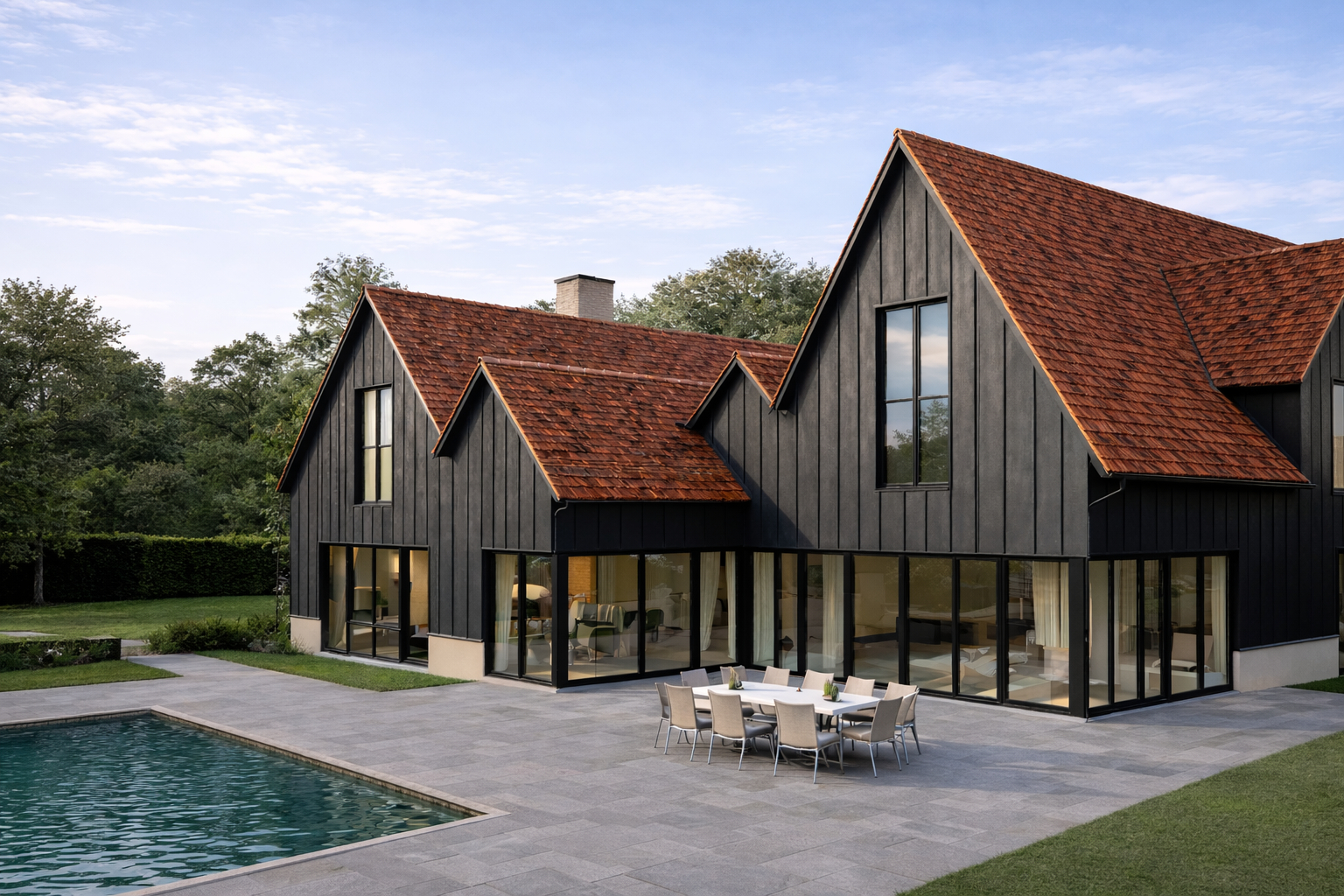
Early planning and site investigation are key to avoiding costly surprises during construction.
Key Takeaways.
- → Hidden costs are predictable — not random — and should be planned for early.
- → Groundworks, planning conditions, and utilities are among the biggest cost risks.
- → Design changes and specification upgrades are major drivers of overspend.
- → A proper feasibility study reduces uncertainty and improves decision-making.
- → The more clarity you create upfront, the more control you maintain during construction.
About the Author
Kevin Edge is the founder of Mosaic Bespoke Ltd, a planning-led bespoke home builder working with private clients and landowners across Hertfordshire. With over two decades of experience in planning, design, and construction, Kevin leads every project with a focus on clarity, quality, and long-term value.
Filed under: Guidance · Planning · Bespoke New Homes
Considering a Luxury New Home?
If you’re planning a bespoke new build and want clarity before committing, our project appraisal process helps you understand viability, planning potential, costs, and risks at an early stage.