


Cost of Renovating a House in Hertfordshire: What to Budget in 2026
A clear guide to the real cost of renovating a house in Hertfordshire in 2026, including budgets, cost breakdowns, and risks. Understand where your money goes and how to plan your project with confidence.
Introduction.
Understanding the true cost of renovating a house in Hertfordshire is critical before committing to a large-scale project. Across Hertfordshire, Bedfordshire, and Buckinghamshire, many homeowners are investing £150,000 to £800,000+ to transform properties — yet projects frequently exceed both budget and timeline expectations.
The reason is simple: renovation is inherently uncertain. Unlike new builds, you are working with an existing structure, unknown conditions, and planning constraints that only become clear as work progresses. Without proper upfront planning, costs can escalate quickly.
This guide explains what major renovations actually cost in 2026, where budgets are typically spent, and how to approach your project with clarity and control.
What Does It Cost to Renovate a House in Hertfordshire?
Renovation costs vary significantly, but realistic 2026 ranges provide a useful benchmark. Light to moderate renovations typically fall between £1,200 and £1,800 per m², while full house renovations range from £1,800 to £2,500 per m². For major projects involving extensions and high-end specifications, costs can exceed £2,500 to £3,500+ per m².
In Hertfordshire, most substantial projects sit between £2,000 and £3,200 per m². This means a full renovation of a 200m² property often falls between £300,000 and £600,000+, while projects including extensions can reach £400,000 to £900,000 or more. High-end transformations frequently exceed £1 million depending on specification and complexity.
Where Does the Money Go?
Understanding how your budget is allocated is key to managing costs. Structural work and alterations typically account for 15–25% of the total budget, particularly in older properties where hidden issues are common. Extensions are often a major cost driver, with single-storey builds ranging from £2,500 to £3,500 per m².
Mechanical and electrical systems usually take 15–20%, while internal finishes — including kitchens, bathrooms, and joinery — can account for 20–30%. External works such as landscaping and driveways often add £30,000 to £150,000+, while professional fees and pre-construction services typically represent 5–10% of the overall project cost.
In This Article
- → Introduction
- → Costs in Hertfordshire
- → Budget Breakdown
- → Planning Properly
- → Key Takeaways
Ready to Start?
Get early-stage clarity on your project — viability, planning potential, and costs — with a free Project Appraisal.
“Renovation costs are rarely about size alone — it’s the unknowns, specification, and planning decisions that ultimately define your budget.”
— Kevin Edge, Founder, Mosaic Bespoke
How to Plan a Renovation Properly.
The difference between a controlled project and a stressful one comes down to preparation. Start by understanding what your desired outcome actually costs before design begins, and avoid developing a scheme that cannot be delivered within budget.
A structured feasibility stage is essential. It defines realistic budgets, identifies planning risks, highlights site constraints, and aligns design ambition with cost. Building in a contingency of 8–12% is also critical to protect against unknown conditions.
Most importantly, work with an integrated team. Renovation projects require coordination between design, cost planning, and construction. A fragmented approach often leads to budget drift, redesigns, and delays — all of which increase overall cost.
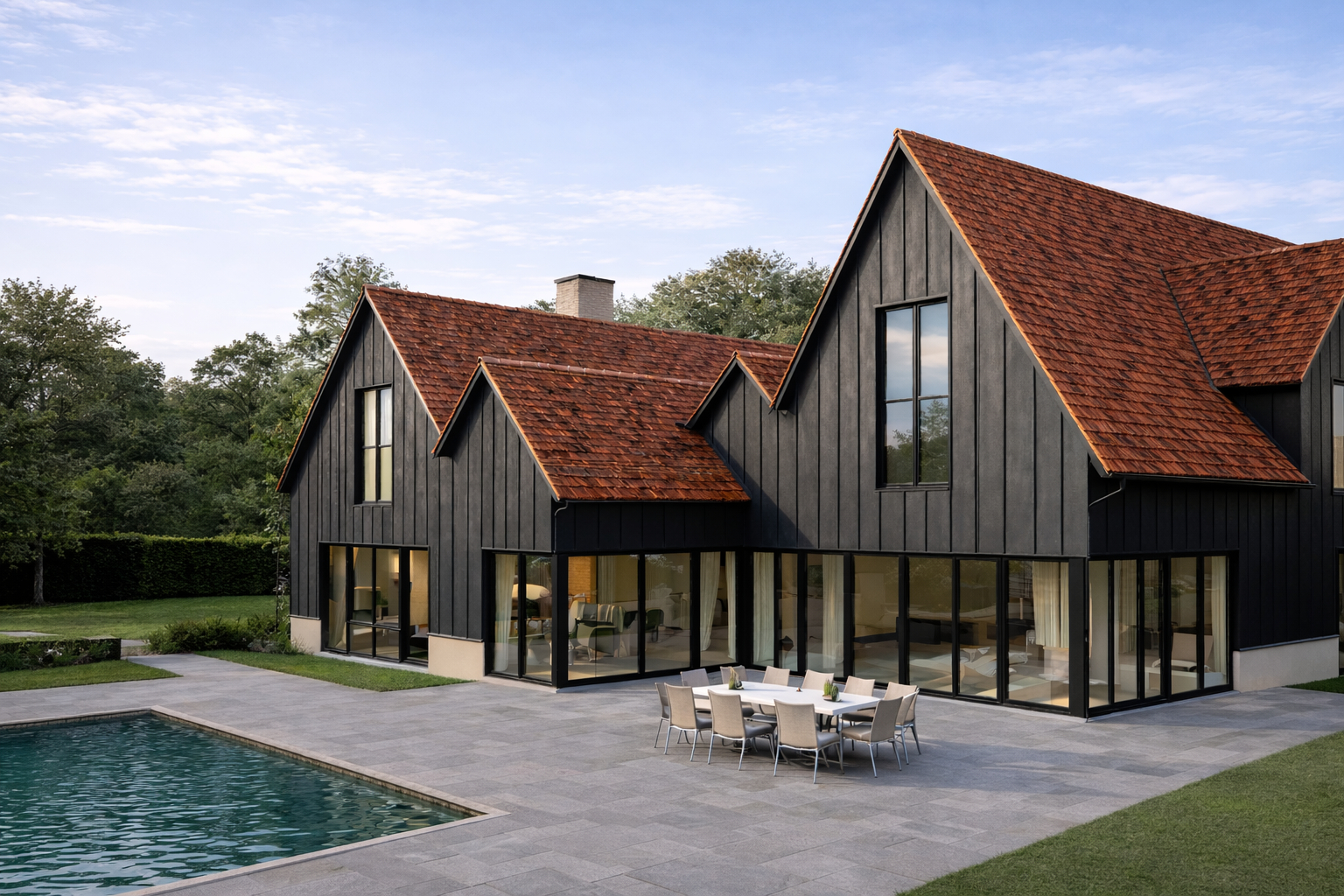
Well-planned renovations balance design ambition with cost control, ensuring predictable outcomes and long-term value.
Key Takeaways.
- → Most renovations in Hertfordshire fall between £2,000 and £3,200 per m².
- → Structural work, M&E, and finishes account for the majority of your budget.
- → Unknown conditions are a major cause of cost overruns.
- → Early feasibility and planning are critical to controlling budget and programme.
- → A coordinated, integrated approach delivers clarity and reduces risk.
About the Author
Kevin Edge is the founder of Mosaic Bespoke Ltd, a planning-led bespoke home builder working with private clients and landowners across Hertfordshire. With over two decades of experience in planning, design, and construction, Kevin leads every project with a focus on clarity, quality, and long-term value.
Filed under: Guidance · Planning · Bespoke New Homes
Considering a Luxury New Home?
If you’re planning a bespoke new build and want clarity before committing, our project appraisal process helps you understand viability, planning potential, costs, and risks at an early stage.
<p style=”color: #e6b574; font-family: ‘Marcellus’,serif; font-size: 11px; font-weight: 600; letter-spacing: 0.35em; text-transform: uppercase; margin-bottom: 12px;”>About the Author</p>
<p style=”color: #183f39; font-size: 15px; line-height: 25px; margin: 0;”><strong>Kevin Edge</strong> is the founder of Mosaic Bespoke Ltd, a planning-led bespoke home builder working with private clients and landowners across Hertfordshire. With over two decades of experience in planning, design, and construction, Kevin leads every project with a focus on clarity, quality, and long-term value.</p>
<p style=”font-size: 13px; color: #666766;”>Filed under: <a style=”color: #183f39;” href=”https://mosaicbespoke.co.uk/blog/”>Guidance</a> · <a style=”color: #183f39;” href=”https://mosaicbespoke.co.uk/blog/”>Planning</a> · <a style=”color: #183f39;” href=”https://mosaicbespoke.co.uk/blog/”>Bespoke New Homes</a></p>