


How Much Does a House Extension Cost in 2026?
Real guide costs per square metre for Hertfordshire and the Home Counties, the factors that move the number most, and the costs people forget to budget for.
Guide Costs Per Square Metre in 2026.
For a quality single storey extension in Hertfordshire and the Home Counties, a sensible planning figure is £2,200 to £3,200 per square metre of new floor area for the build itself, at a good standard of finish. A straightforward 30 square metre kitchen extension therefore starts somewhere around £66,000 to £96,000 before fees and VAT.
Different extension types carry different economics. Double storey extensions are the value play: two floors share one set of foundations and one roof, so a double storey extension typically costs 25 to 40 percent more than the same footprint built single storey, while doubling the space.
Loft conversions typically come out between £50,000 and £85,000 for a quality dormer conversion including a bathroom, with hip-to-gable and mansard designs above that. Wrap-around extensions price like large single storey schemes with more steel, basement conversions are the most expensive space you can add at £3,000 to £5,500 per square metre, and barn conversions vary more than any other category because the existing structure sets the agenda.
What Moves the Number Most.
Structure. Steel is the silent budget-setter. Removing the back wall of a house to create one open space, or holding up two storeys over a wide opening, is engineering, and it is priced accordingly.
Glazing. Sliding and bifold door sets, rooflights and structural glass are frequently 10 to 20 percent of an extension budget on their own. Beautiful, worth it, and worth deciding early.
Kitchens and bathrooms. Most published per square metre figures, including ours, exclude the kitchen itself. A kitchen can be £15,000 or £60,000, and only you know which end of that range you are on.
Site, access and specification. A tight terraced plot where everything arrives by hand costs more than an open driveway. Underfloor heating, smart wiring, air source heat pumps and premium finishes all add real money, and all cost less when decided at design stage rather than on site.
The Costs People Forget.
The build cost is not the project cost. A realistic budget also carries VAT at 20 percent, because unlike new builds, extensions are standard-rated. Professional fees for design, structural engineering, building control and planning typically add 8 to 15 percent of build cost.
Where you share boundaries, party wall costs add a few hundred to a few thousand pounds. Surveys appear where ground conditions, trees or drains demand them. And we recommend holding a 10 percent contingency: on a well-prepared project you may not spend it, but you will be glad it exists.
In This Article
- → Guide Costs 2026
- → What Moves the Number
- → Costs People Forget
- → Why Prepared Projects Cost Less
- → Key Takeaways
What Would Yours Cost?
Answer four quick questions and get an instant guide figure shaped to your project, no obligation and no hard sell.
“An extension priced properly at the start is almost always cheaper than one priced optimistically.”
Kevin Edge, Founder, Mosaic Bespoke
Why Prepared Projects Cost Less.
The biggest cost risk in extending is not the headline price. It is variation: decisions made on site, surprises in the structure, and specification chosen under time pressure. This is why our four-stage process front-loads the thinking: an Opinion of Probable Cost before design, a feasibility check on planning and structure, then a fully coordinated technical package before anyone breaks ground.
The build that follows is calmer and, in our experience, meaningfully cheaper than the reactive version.
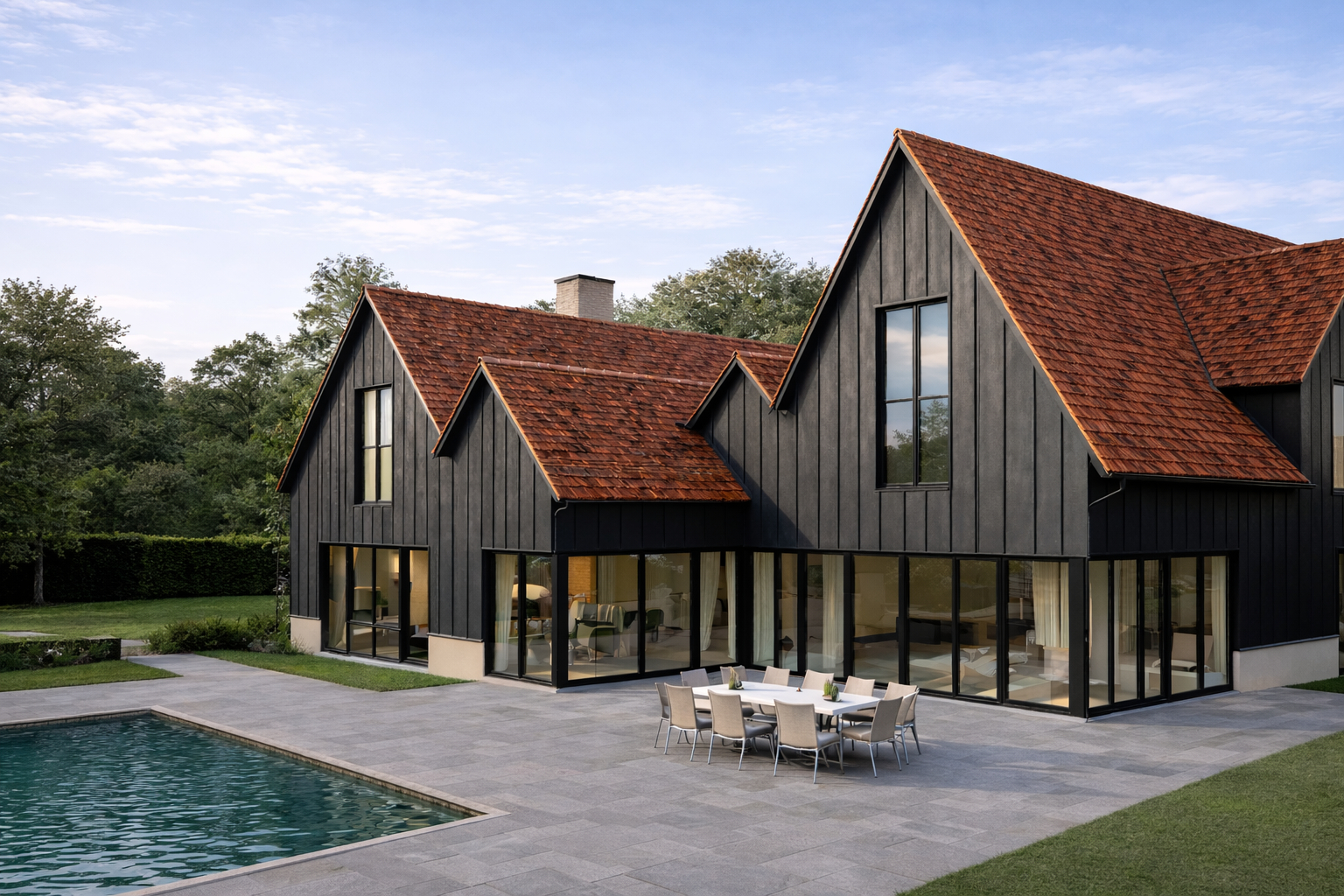
From steelwork to glazing, the big cost decisions in an extension are made at design stage, not on site.
Get a Figure for Your Project.
Every home is different, which is why generic tables only take you so far. Our instant extension calculator shapes a guide figure to your extension type, size, finish level and location in under a minute, and a free project appraisal turns it into a proper Opinion of Probable Cost for your actual house.
Extending versus moving is ultimately a numbers decision. Once stamp duty, agent fees and moving costs are counted, a well-planned extension in the right street is very often the stronger answer. If you are weighing the same question for a new build, our guide to the cost of building a house in Hertfordshire covers that side.
Key Takeaways.
- → Budget £2,200 to £3,200 per square metre for a quality single storey extension in this region.
- → Double storey extensions deliver twice the space for roughly 25 to 40 percent more cost.
- → VAT at 20 percent and professional fees of 8 to 15 percent sit on top of build costs.
- → Steel, glazing and kitchens are the three items that move budgets most.
- → Front-loaded preparation is the cheapest money you will spend on the whole project.
About the Author
Kevin Edge is the founder of Mosaic Bespoke Ltd, a planning-led bespoke home builder working with private clients and landowners across Hertfordshire. With over two decades of experience in planning, design, and construction, Kevin leads every project with a focus on clarity, quality, and long-term value.
Filed under: Guidance · Extensions · Costs
Considering a Major Extension?
If you are planning an extension and want clarity before committing, our project appraisal process helps you understand viability, planning potential, costs, and risks at an early stage.