


SAP Calculations Explained: What Every Self-Builder Needs to Know
SAP calculations are a critical part of designing a compliant, energy-efficient home. Understanding them early can save you time, money, and costly design compromises later.
Introduction.
As a self-builder, you’ll quickly discover that creating your dream home involves more than layout and finishes. One of the most important — and often misunderstood — technical elements is SAP calculations, which underpin your home’s energy performance and compliance with building regulations.
SAP (Standard Assessment Procedure) calculations measure how energy-efficient your home will be, factoring in insulation, heating systems, ventilation, and more. Getting this right from the outset ensures your home is not only compliant, but also comfortable to live in and cost-effective to run.
At Mosaic Bespoke, we guide clients through these complexities early in the design process, ensuring that performance, aesthetics, and buildability are aligned from day one.
What Are SAP Calculations — and Why Do They Matter?
SAP calculations are a legal requirement for all new homes and major renovations in the UK. They assess your property’s energy efficiency and carbon emissions, ensuring it meets current building regulations.
For self-builders, this goes beyond compliance. Accurate SAP calculations help shape better design decisions — from insulation levels to glazing and heating systems — ultimately reducing long-term energy costs.
Importantly, SAP standards are continually evolving. A design that met regulations just a few years ago may now fall short, which is why working with experienced professionals and up-to-date data is essential.
Common SAP Pitfalls Self-Builders Should Avoid
Even well-planned projects can run into issues if SAP calculations aren’t handled carefully. One of the most common mistakes is overlooking thermal bridging — small gaps in insulation that can significantly impact heat loss and overall performance.
Incorrect U-values are another frequent issue. These values define how well different elements of your home retain heat, and inaccuracies can lead to poor performance or failed compliance checks.
Other pitfalls include misjudging building orientation, neglecting proper ventilation rates, and relying on outdated software or climate data. Each of these can skew results and lead to costly redesigns later in the project.
In This Article
- → Introduction
- → What Are SAP Calculations
- → Common Pitfalls
- → Balancing Design & Efficiency
- → Key Takeaways
Ready to Start?
Get early-stage clarity on your project — viability, planning potential, and costs — with a free Project Appraisal.
“Getting SAP calculations right early allows you to design a home that performs beautifully without compromising your vision.”
— Kevin Edge, Founder, Mosaic Bespoke
Balancing Energy Efficiency and Design
Achieving strong SAP results doesn’t mean overcomplicating your design. The goal is to strike the right balance between fabric efficiency, energy use, and build cost — creating a home that performs well without unnecessary expense.
This is best achieved by engaging architects and energy consultants early, selecting high-quality materials, and integrating efficient heating and ventilation systems. Renewable technologies such as solar panels can also play a role, improving performance while reducing long-term running costs.
With the right guidance, SAP calculations become a design tool rather than a constraint — helping you create a home that is both elegant and efficient.
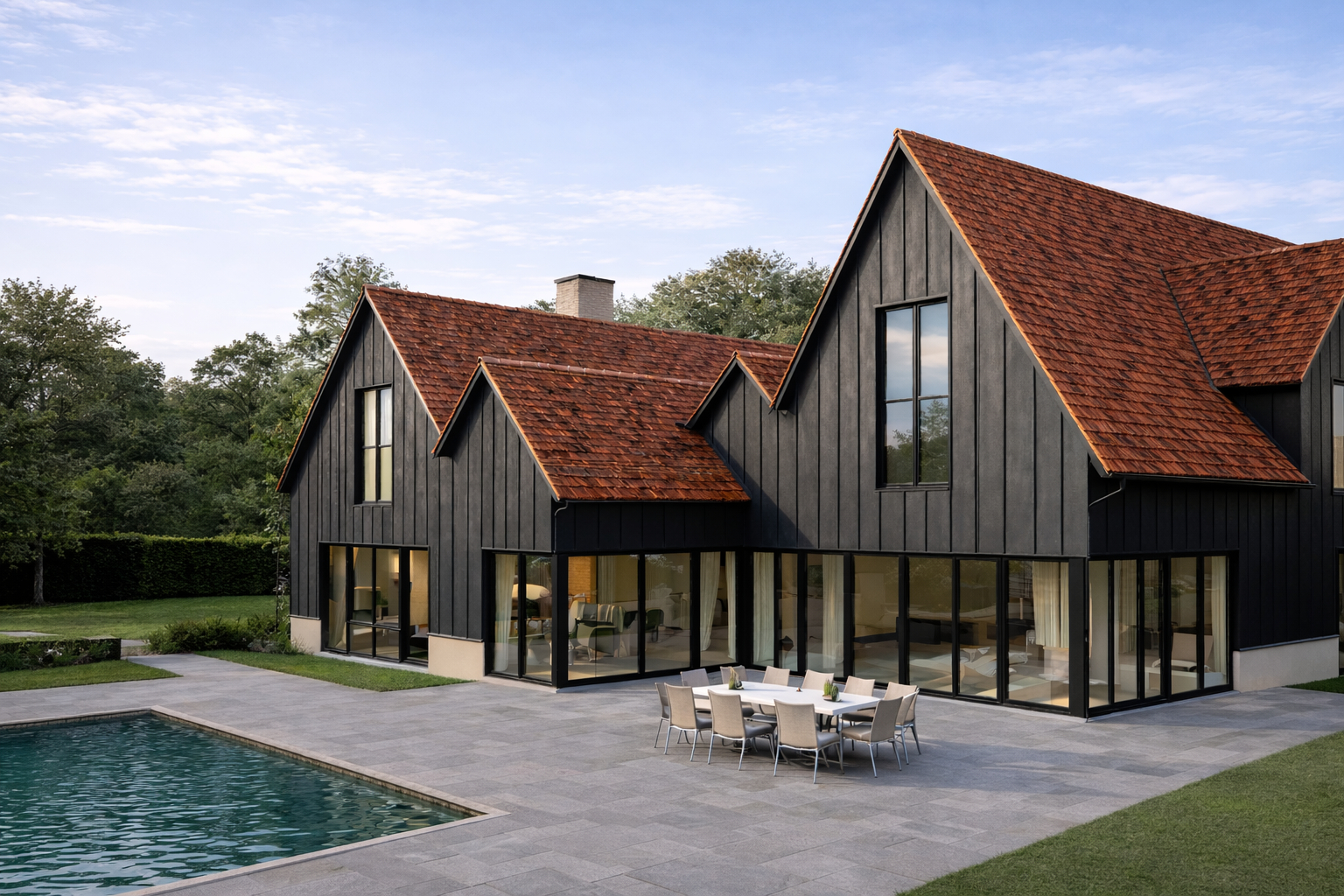
Thoughtful design and energy modelling go hand in hand when creating a high-performance bespoke home.
Key Takeaways.
- → SAP calculations are a legal requirement and central to your home’s energy performance.
- → Early planning helps avoid costly redesigns and compliance issues.
- → Common mistakes include thermal bridging, incorrect U-values, and poor ventilation planning.
- → Strong design balances efficiency, cost, and aesthetics without overcomplication.
- → Expert guidance ensures your home is compliant, efficient, and built for long-term value.
About the Author
Kevin Edge is the founder of Mosaic Bespoke Ltd, a planning-led bespoke home builder working with private clients and landowners across Hertfordshire. With over two decades of experience in planning, design, and construction, Kevin leads every project with a focus on clarity, quality, and long-term value.
Filed under: Guidance · Planning · Bespoke New Homes
Considering a Luxury New Home?
If you’re planning a bespoke new build and want clarity before committing, our project appraisal process helps you understand viability, planning potential, costs, and risks at an early stage.