


New Build Warranties Explained: NHBC, LABC and the Alternatives
Every new home needs a structural warranty, but few people could say exactly what it covers, who provides it, or why the mortgage lender cares so much. Ten minutes here saves awkward discoveries later.
What a New Build Warranty Actually Is.
A structural warranty is an insurance policy on the construction of the home, typically running for ten years from completion. It is not the builder’s goodwill promise, and it is not a guarantee that nothing will ever go wrong. It is insurance against specific, defined failures, and it survives even if the builder does not.
The standard shape splits into two periods. Years one and two, the defects period: the builder is responsible for putting right defects arising from their failure to build to the warranty provider’s standards, from sticking doors to faulty flashings. Years three to ten, the structural period: the policy covers major damage to defined structural elements, foundations, load-bearing walls, floors and roofs, caused by defective design, materials or workmanship.
What it does not cover matters just as much: general wear and tear, condensation from lifestyle, cosmetic snags reported late, and anything caused by alterations made after completion.
Who Provides Them.
NHBC’s Buildmark is the name most people know, covering the majority of volume housebuilding. Alongside it sits a healthy market of providers used widely on bespoke and smaller-developer homes: LABC Warranty, Premier Guarantee, ICW, Build-Zone and Protek among them.
Lenders maintain lists of acceptable providers, and any reputable warranty on a well-built home should be accepted across the mortgage market. The premium typically lands somewhere around 0.5 to 1 percent of the build cost, priced on the project’s value, complexity and the builder’s track record.
The Alternative: A Professional Consultant's Certificate.
On some architect-supervised projects, a professional consultant’s certificate is used instead of a warranty. A qualified professional inspects at key stages and certifies the construction, giving six years of recourse against their professional indemnity insurance.
It can be appropriate on genuinely supervised one-off builds, but it is narrower than a ten-year insurance policy, and some lenders treat it less favourably. If you plan to sell within a decade, the full warranty is the cleaner asset.
In This Article
- → What a Warranty Is
- → Who Provides Them
- → The PCC Alternative
- → Lenders and Build Quality
- → Key Takeaways
Commissioning a New Home?
Warranties, costs, planning and programme, answered in one structured appraisal before you commit to anything.
“The homes that never trouble their warranty are the ones built right the first time. The policy should sit quietly, unneeded.”
Kevin Edge, Founder, Mosaic Bespoke
Why Your Lender Insists.
Mortgage lenders will not normally lend on a new home, at completion or at resale within ten years, without an acceptable warranty or certificate in place. If you are financing a bespoke build, the warranty is also woven into your funding: stage inspections often align with mortgage stage releases, which is one more reason the paperwork belongs at the start of the project, not the end.
Our guide to self build mortgages covers how the two fit together.
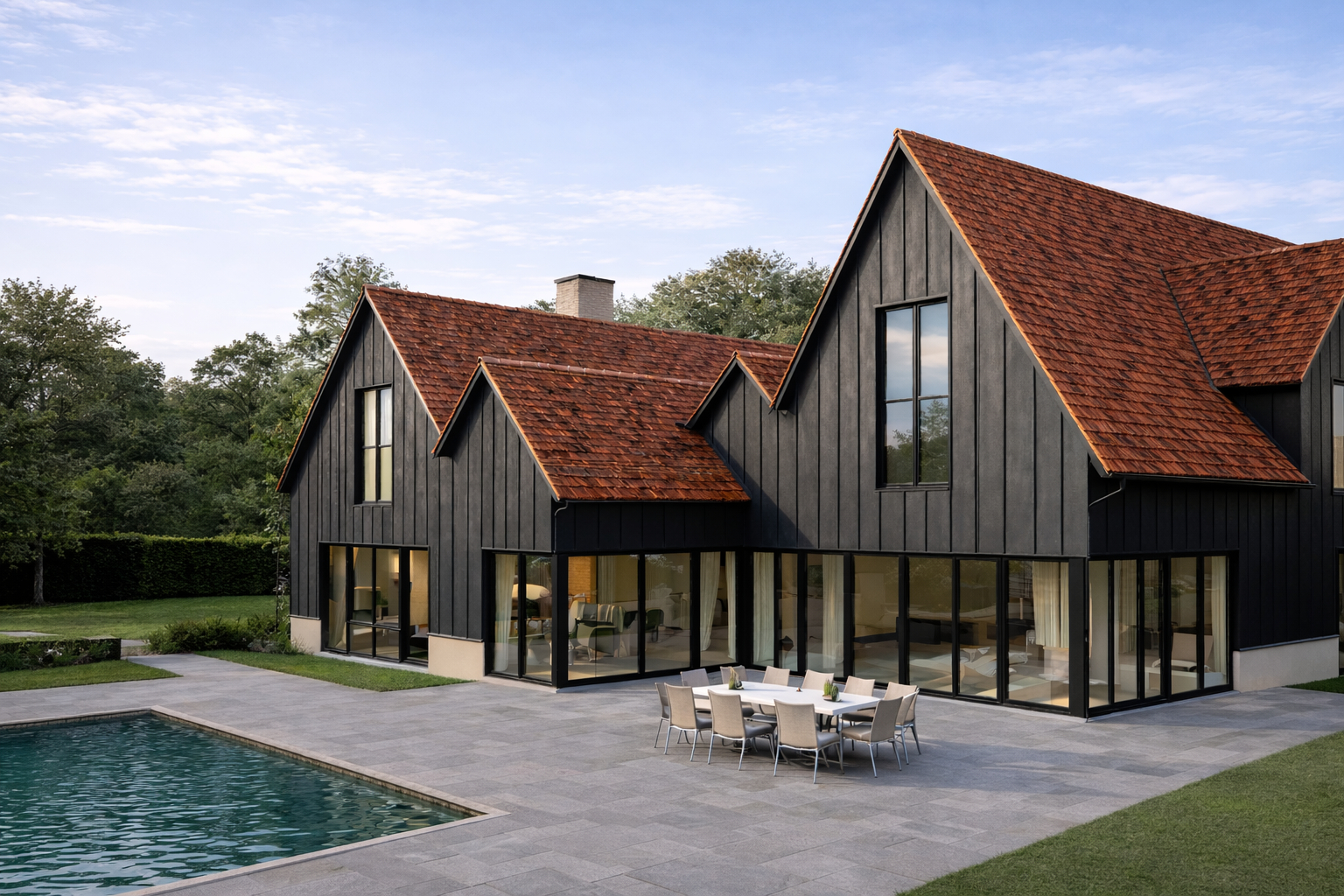
Ten years of structural cover, two years of builder defects: the standard shape of a new home warranty.
Warranties and the Way a Home Is Built.
Here is the honest truth from the building side: a warranty is the safety net, not the standard. The homes that never trouble their warranty are the ones where the structural engineering, waterproofing detail and site supervision were right in the first place. That is the logic of our four-stage process, where the technical package is fully coordinated before construction begins and the build is inspected as it rises.
If you are weighing up a project, warranty arrangements are one of the topics we cover in a free project appraisal, alongside cost, planning and programme. Our guide to the cost of building in Hertfordshire is the natural companion to this one.
Key Takeaways.
- → A structural warranty is ten years of insurance on the construction, surviving even if the builder does not.
- → Years one and two cover builder defects; years three to ten cover major structural damage.
- → NHBC, LABC, Premier Guarantee, ICW, Build-Zone and Protek all serve the bespoke market.
- → A professional consultant’s certificate is the narrower six-year alternative on supervised builds.
- → Lenders will not lend without one, at completion or resale, so arrange it at the start.
About the Author
Kevin Edge is the founder of Mosaic Bespoke Ltd, a planning-led bespoke home builder working with private clients and landowners across Hertfordshire. With over two decades of experience in planning, design, and construction, Kevin leads every project with a focus on clarity, quality, and long-term value.
Filed under: Guidance · Bespoke New Homes · Finance
Considering a Luxury New Home?
If you are planning a bespoke new build and want clarity before committing, our project appraisal process helps you understand viability, planning potential, costs, and risks at an early stage.