


How Much Does a Basement Conversion Cost?
The most expensive space you can add to a home, and in the right street, still worth every pound. Real guide costs for 2026, where the money goes, and when going down makes sense.
Guide Costs in 2026.
For a retrofit basement, excavated beneath an existing house, a realistic guide is £3,000 to £5,500 per square metre for the structural shell, waterproofing and fit-out to a good standard. A 40 square metre basement, a generous cinema room, gym or guest suite, therefore starts somewhere around £120,000 to £220,000, with ground conditions and specification setting where you land in that range.
Converting an existing cellar with adequate head height costs materially less, because the excavation and much of the structure already exist. Those figures exclude professional fees and VAT, so treat them as the starting frame, and use the calculator for a figure shaped to your project.
Where the Money Goes.
Excavation and structure. Digging beneath a standing house means underpinning its foundations in careful sequence while removing tonnes of spoil, often through a domestic front garden. It is slow, engineered work, and it is the core of the cost.
Waterproofing. Basements are designed to BS 8102, usually with two forms of protection, for example a drained cavity membrane system with sump and pump alongside integral waterproof concrete. This is one area where cheap is expensive: waterproofing failures are the classic basement disaster, and the insurance-backed, properly detailed version is non-negotiable.
Light, access and services. Lightwells, walk-on rooflights and a well-designed stair separate a basement that feels like a proper floor from one that feels like a cellar. Drainage below sewer level needs pumping, and ventilation, heating and electrics must be designed for a below-ground room, not adapted afterwards.
Planning, Party Walls and Neighbours.
Most Hertfordshire authorities treat residential basements as full planning applications, with structural method statements increasingly expected alongside. Our guide to planning permission for extensions covers the wider picture.
And because excavation within 3 metres of a neighbouring building is notifiable work, virtually every basement in a semi-detached or terraced street involves the Party Wall Act. Our party wall guide explains the process; on basements, start it early, because the engineering detail in the award takes time.
In This Article
- → Guide Costs 2026
- → Where the Money Goes
- → Planning and Party Walls
- → Timescales and Value
- → Key Takeaways
What Is Under Your House?
Get an instant guide figure for a basement conversion, then a structured appraisal of ground, structure and value for your street.
“Waterproofing is the one line in a basement budget where cheap is genuinely expensive.”
Kevin Edge, Founder, Mosaic Bespoke
How Long Does It Take?
Honest answer: months, not weeks. A typical retrofit basement runs six to nine months on site, longer for large or complicated schemes, with the excavation and underpinning phase setting the pace.
The compensation is that much of the heaviest work happens below and outside the living space, and a well-sequenced project keeps the house liveable for most of the programme.
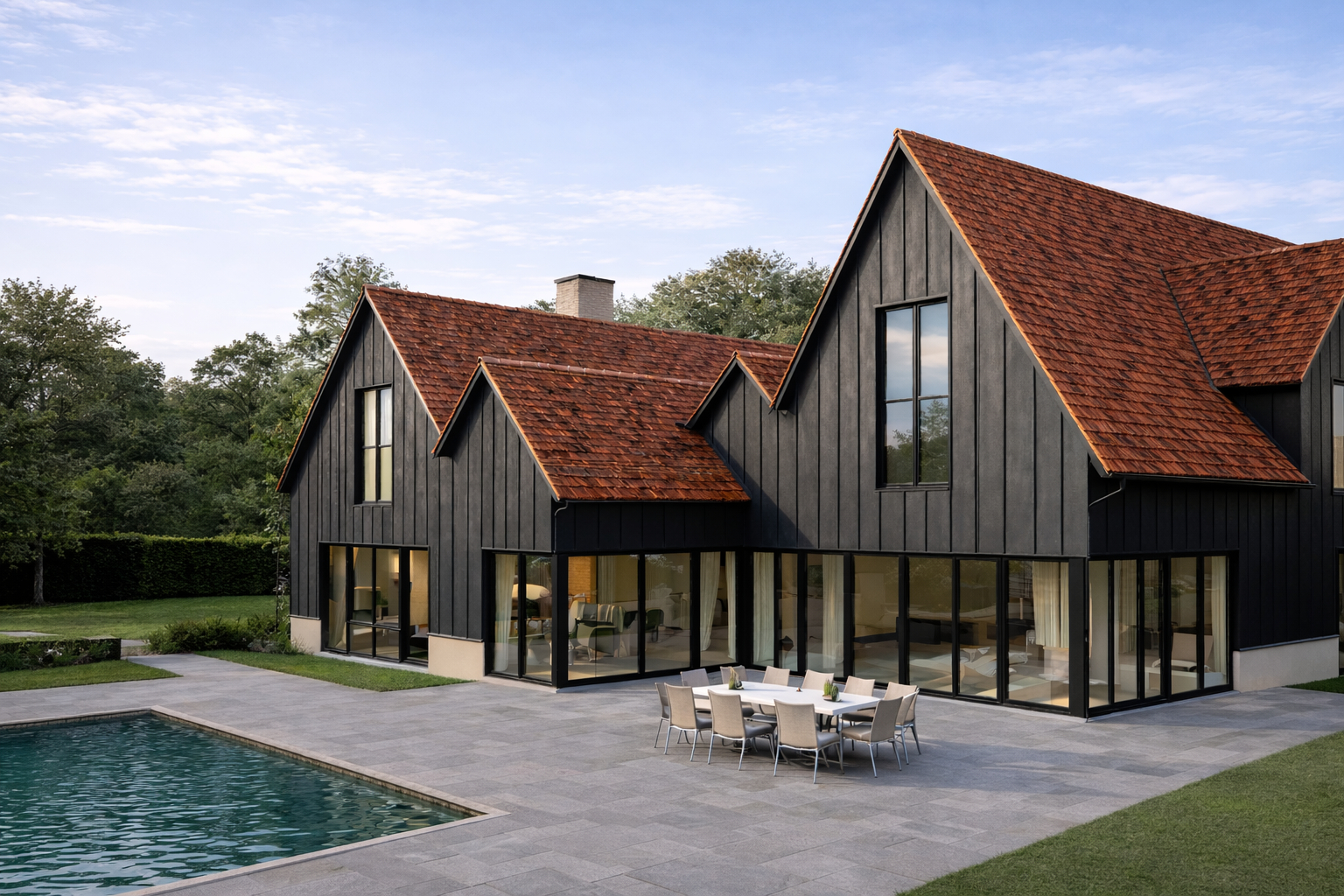
Underpinning, waterproofing and lightwells: the three disciplines that define every basement project.
Is It Worth It?
The mathematics are local. In streets where finished space sells for more than the cost of creating it, and where moving means stamp duty, fees and losing a school catchment or a garden you love, a basement adds a floor the plot could never otherwise give you. In lower-value areas the same project rarely pays back.
This is precisely the calculation our Opinion of Probable Cost is designed to answer before you commit to design fees, and it is stage one of the four-stage process every Mosaic Bespoke project follows. For design options, our basement conversions page covers what is achievable beneath your home, and our extension cost guide puts basements alongside the alternatives.
Key Takeaways.
- → Retrofit basements typically cost £3,000 to £5,500 per square metre; existing cellars cost materially less.
- → Waterproofing to BS 8102 with two forms of protection is the non-negotiable line in the budget.
- → Expect a full planning application and a party wall process on almost every basement.
- → Programmes run six to nine months on site, with excavation setting the pace.
- → The value case is street-specific: strongest where finished space is worth more than it costs to create.
About the Author
Kevin Edge is the founder of Mosaic Bespoke Ltd, a planning-led bespoke home builder working with private clients and landowners across Hertfordshire. With over two decades of experience in planning, design, and construction, Kevin leads every project with a focus on clarity, quality, and long-term value.
Filed under: Guidance · Basement Conversions · Costs
Considering a Basement Conversion?
If you are weighing up the space beneath your home and want clarity before committing, our appraisal covers ground, structure, planning and realistic costs.